
Scolari Explains Loyalty Behind Ronaldo Ballon d’Or Votes
Authored by royal447.bet, 25-05-2026
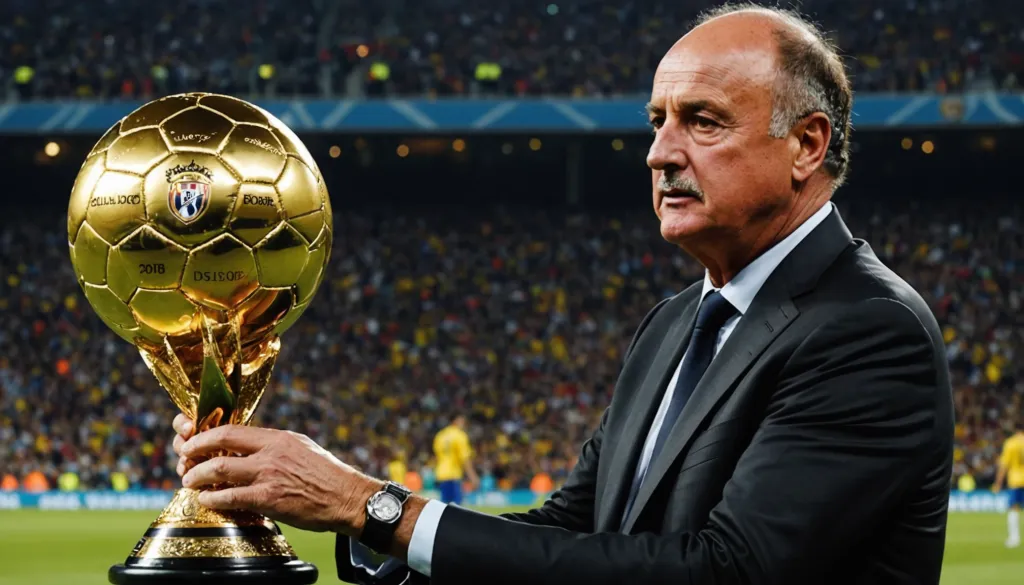
Luiz Felipe Scolari has explained his consistent preference for Cristiano Ronaldo over Lionel Messi in Ballon d’Or voting. The former Portugal coach described Messi as a natural talent while portraying Ronaldo as someone who achieved elite status through sustained effort. Scolari’s comments highlight how personal relationships and observed work habits shaped his choices.
Personal Connection Shapes Coaching Perspective
Scolari worked closely with Ronaldo during Portugal’s international campaigns. He noted that the forward felt like family after years of shared experience. When Messi once asked why he never received Scolari’s vote, the coach cited this long-standing bond rather than technical comparisons.
The relationship extended beyond match days. Scolari recalled Ronaldo’s training routines at Manchester United, where repeated free-kick practice after games drew concern from manager Sir Alex Ferguson. Such observations reinforced the coach’s view that dedication formed a core part of Ronaldo’s development.
Handling Adversity Influences Performance Assessment
Scolari described informing Ronaldo of his father’s death before an international fixture. Ronaldo chose to play and delivered a strong performance. The coach presented this episode as evidence of emotional resilience under pressure.
These moments informed Scolari’s broader assessment of the two players. He acknowledged Messi’s early gifts while emphasizing Ronaldo’s incremental improvement through repetition and discipline. The distinction reflects how coaches sometimes weigh process alongside innate ability when forming judgments.
Future Milestones and Career Longevity
Scolari expressed belief that Ronaldo could reach one thousand career goals. Both Ronaldo and Messi are expected to feature in what may be their final World Cup in 2026. The coach’s remarks place individual career arcs within the wider timeline of elite international football.
His account offers insight into how sustained professional relationships affect retrospective evaluations. The comments remain specific to Scolari’s experience rather than attempting to settle broader debates about comparative greatness.